
SUPPORTING GRIEVING CHILDREN
The death of a child deeply affects the entire family, including surviving children. Children may engage in magical thinking and believe they caused the death through their thoughts or actions.
When talking with children about death, it is important to use clear, direct language and avoid euphemisms such as “went to sleep” or “was lost,” which can create confusion or fear. Simple explanations, such as “their body stopped working, and they cannot come back,” can help children understand death in an age-appropriate way.
Including children in the grieving process and encouraging open conversations about feelings helps create a safe space for them to express their grief. While developmental stages can guide understanding, every child experiences and copes with loss differently.
Regardless of Age…
Maintain Routines
It is not abnormal for your child to want to return to school or extracurriculars or to see their friends. This does not mean they do not care about death.
Acknowledge Your Own Grief
Think about your own experiences with loss, separation, and death. They may well affect your comfort when helping children and adolescents with their grief.
Be Honest About Death
Share the fact of the death. providing age-appropriate information about what happened and what rituals will occur. explain how the person’s body is no longer working— breathing, eating, going to the bathroom, etc.
Recognize Vulnerability Factors
Things such as many recent losses, knowing someone with the same illness, being the best friend or worst enemy of the person who died, or having some actual responsibility for the death.
Address Fears and Misconceptions
Be particularly aware of those that grow out of magical thinking and reflect an inappropriate sense of responsibility for the death.
Answer situation-specific questions
Every death is unique and raises specific issues. Children may want to talk about an illness, violence, or suicide, alcohol and drug use, or troubled adults who hurt children. They may want to know about wakes or funerals, cremation and burial, or ethnic and cultural diversity in death rituals.
Support Healthy Grieving
providing an environment where grieving is accepted and talking about the appropriateness of sadness and anger supports healthy grieving. sharing your own grief with children can help limit the fear that they have caused tears or anger.
Honor the Person Who Died
Remember the person who died and help children and adolescents participate in that commemoration. Young people can often make suggestions about the content of a funeral or memorial service, the flowers, or what to do with the person who died's belongings. Commemorative activities may continue over time.
Encourage play and Creative Expression
Playing, drawing, writing, and other creative activities can provide helpful insight into what may be going on internally for a child.
Use Everyday Opportunities to Talk About Death
Natural events and life experiences can open age-appropriate conversations about death, grief, and loss. It's okay to admit when you don't know the answer.
Watch Behavior Changes
Your child may not wish to speak aloud much about their experience with death. Be sure to keep the usual limits that you set for behavior.
Be Patient with Repetitive Questions
Children often revisit the same questions or topics about death as they grow and develop a deeper understanding. Work on being okay with this to support healthy grieving.
Stages of Development
Toddlers
2-5 Years
Least likely to understand death and may feel that it's temporary or reversible
Young Children
6-9 Years

Childhood
10-12 Years

Adolescents
13-19 Years
May engage in magical thinking/may fear that they or their caregivers might die
Reassure them that this won't happen to them or to you
Note that children in this age range may ask questions repeatedly; they learn best through repetition
Children can understand the permanence of death, and may be more frightened by it
They may wish to avoid spaces or topics that they associate with a dead person
May be able to sympathize with their grieving caregivers/ they may misjudge what you think or need
May feel that talking about their own feelings could make their caregivers feel sad
May have an adult understanding of death but may feel strong feelings of unfairness about death
During their teenage years may grow apart from their caregivers
They may not have peers that have experienced death, so social connections become increasingly important
When connecting with teenagers, listening rather than offering solutions is important
May be able to better reflect on how death has impacted them
May be critical about the way others around them grieve
May show signs of grief though physical symptoms (e.g. headaches) or social withdrawal
May suppress emotions to protect their caregivers feelings
Art projects can be supportive for anyone who is grieving, but they are especially meaningful for children. Through art, children can express feelings they may not yet have words for, regain a sense of control, and create something that reflects their continued connection to the person they have lost.
Mindfulness can further support this process by helping children stay present, notice their emotions, and engage more calmly and intentionally in creative expression.
Below are tools and ideas designed to help families support children through loss using creative expression and mindfulness.
-
![]()
Fizzy Feelings Bottle
From Winston's Wish, this activity teaches children, teens, and young people how feelings can build up over time until they explode and why it’s better to let out your feelings a little bit at a time rather than keep them bottled up.
-
![]()
Memory Stones
From Winston’s Wish, this activity provides a way to think about memories with the help of three different stones. This activity helps children remember the person who has died in all aspects of their relationship.
-
![]()
Salt Jar
From Child Bereavement UK, this salt jar activity is a way for your child to make something unique and personal, helping them remember their special person who has died, and to talk about their memories.
-
![]()
Worry Monster
From Anxiety Help Box, this worksheet provides a useful frame for children to learn more about anxiety and apply what they’ve learned to their own situation via a metaphorical worry monster.
-
![]()
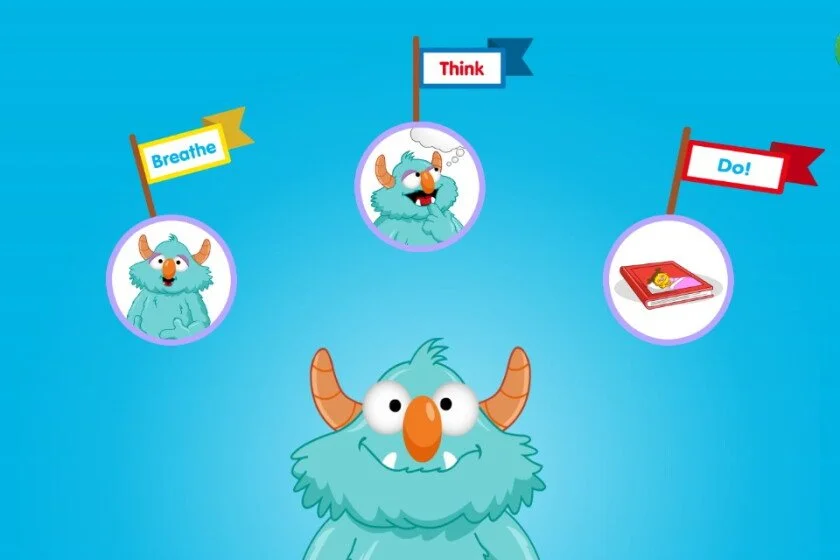
Breathe, Think, Do
From Sesame Street, this Breathe, Think, Do activity helps children manage big feelings by pausing to breathe, thinking of solutions, and choosing what to do, showing them how to calm down and respond more thoughtfully rather than reacting right away.
-
![]()
Mindfulness Walk
From Move Mindfully, Mindful Walking with Children teaches children to slow down and notice their breath, steps, and surroundings, helping them stay present, calm their bodies, build awareness, and practice calming strategies they can use when they feel overwhelmed or stressed.
-
![]()
Mandala Coloring Page
From The Wellness Society, the Mandala Coloring Sheets support mindfulness by helping children focus on calming, repetitive coloring that can reduce stress, promote relaxation, and support emotional regulation.